Chromium And Glucose: The One Ingredient You Can Verify
Across the blood sugar supplement category, Chromium is disproportionately likely to be the single ingredient declared with a stated weight while everything else sits in an undisclosed blend.
That makes it worth understanding properly — it is often the only number on the label you can actually check against anything.
What chromium does
Chromium is an essential trace mineral involved in insulin signalling — the process that tells cells to take up glucose from the bloodstream. The NIH Office of Dietary Supplements fact sheet is worth reading directly.
Why deficiency context matters
Chromium is present in broccoli, whole grains, potatoes and meat. True deficiency is uncommon in people eating a varied diet, and the strongest chromium research results generally come from populations with low baseline intake — not from adults already reasonably nourished.
The recommended range
Adequate Intake figures sit around 20 to 35 micrograms daily for adults. These are small amounts — micrograms, not milligrams — and worth knowing when you look at a label.
What the evidence supports
Well supported: chromium is essential and genuinely involved in insulin signalling. Mixed: whether supplementing it meaningfully improves glucose control in people who are not deficient. Not supported: claims that it reverses insulin resistance on its own.
Applying this to SugarReset
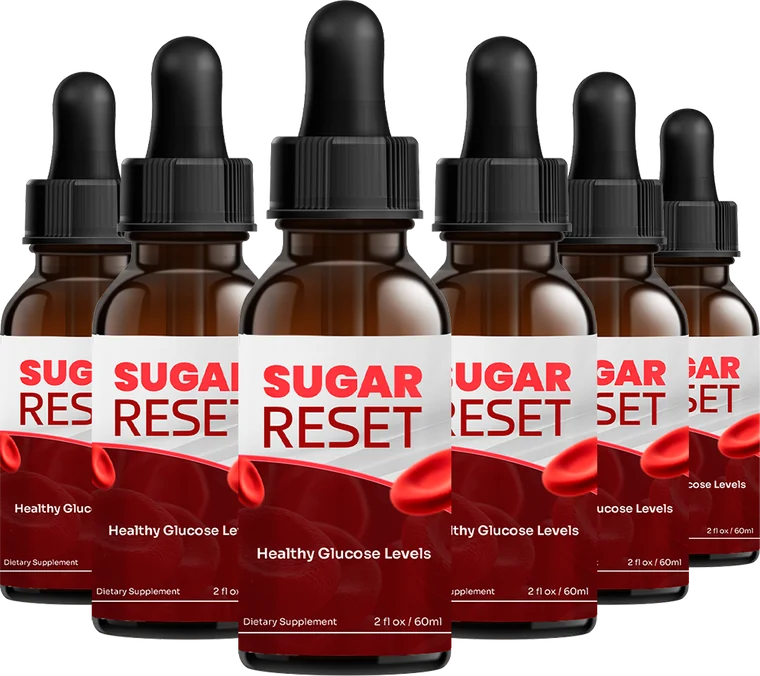
SugarReset declares Chromium Picolinate separately from its 200 mg botanical blend — the one figure on this label you can compare directly against the intake ranges above.